Do Sustainable Kids Clothes Last Longer?
Ask any parent: the promise of sustainable kids clothing often sounds appealing, but the real question is simple. Do sustainable kids clothes actually last longer in your daily laundry rotation, messy play, and fast-paced growth cycles?
It's not about the label on the tag. It's about whether those pieces continue looking and feeling good through endless washes, playground sessions, and even hand-me-downs.
When parents talk about clothes "lasting longer," they're really asking four things:
-
Does it hold its shape after repeated washing and drying?
-
Does the fabric resist thinning, pilling, and twisted seams?
-
Does it stay soft and comfortable, not stiff or scratchy, through everyday play?
-
Is it still presentable enough for resale, hand-me-downs, or younger siblings?
Since kids outgrow most clothing quickly, "lasting longer" rarely means a garment survives for years. What matters is condition retention during the months a child actually wears it. Materials, construction, care, and real-life use far outweigh basic green branding. Let's look at how these play together, and what actually separates pieces that go the distance from ones that fall apart after a handful of washes.

Why Sustainable Clothes Sometimes Perform Better
High-quality sustainable kids clothes can genuinely go the distance when brands make thoughtful choices about materials and how each piece is put together. Some common reasons they might outperform fast fashion:
-
Premium fabrics chosen for wear life, not just the eco story
-
Sturdy stitching and reinforced seams
-
Smart fits that accommodate movement and growth
-
Safer finishes that avoid harsh chemicals
-
Thoughtful design & fit looks and wears better in the long term
But "sustainable" is not a magic word for quality construction. Some brands use eco-friendly language without investing in durability, and the result is a well-marketed piece that still pills or stretches out after a few washes. The best sustainable kids clothing brands pair premium organic cotton with small-batch production and careful oversight, which is where real longevity comes from.
Material Quality Makes the Biggest Difference
The fabric itself sets the stage for durability. When comparing what lasts, the type and quality of the material matters more than any eco-friendly label.
For kids, organic cotton is . Compared to traditional synthetic fabrics, it offers natural breathability, softness that holds up through frequent wear, and real durability when the cotton fibers are long, strong, and tightly spun. The fewer harsh chemical treatments involved also lower the risk of allergies or rashes, which matters for sensitive skin. With proper care, quality organic cotton maintains its shape and color, making it ideal for repeat wear.
Not all organic cotton is created equal, though. The real difference lies in fiber length, yarn density, and how the garment is constructed. Many sustainable kids clothing brands prioritize Global Organic Textile Standard (GOTS) certified cotton, which sets tough standards not just for organic farming but also for processing, dyeing, and ethical production. Learn more about what makes GOTS and organic fibers stand out in this fabric sustainability guide.
Lower-grade fabrics can pill, thin, or lose shape far more quickly. Bamboo clothing, for example, can feel ultra-soft at first but sometimes loses structure with repeated washing. Recycled polyester and synthetic blends vary wildly depending on weave, finish, and quality standards. Not all recycled content is automatically better for wear, especially in clothing for busy, growing kids.
Why Peruvian Pima Cotton Is Worth Calling Out
One fabric consistently praised for both skin comfort and resilience is Peruvian Pima cotton. Its long, silky staples are carefully harvested and spun, resulting in fabric that's softer and smoother than standard cotton and far more resistant to pilling or surface wear. For children's clothing, that translates to no scratchiness even after months of washing, everyday comfort thanks to its smooth texture, and a high chance of emerging from the wash looking and feeling like new.
Construction Often Matters More Than the Label
No matter how great the material is, quality construction makes or breaks durability. Sturdy, thoughtfully made sustainable children's clothing holds up better to the realities of childhood. Here's what to look for:
-
Strong, even seams that resist unraveling or twisting
-
Necklines with good recovery that bounce back instead of stretching out
-
Well-constructed shoulders that can handle repeated on-off cycles
-
Properly hemmed sleeves and bottoms that don't warp
-
Relaxed fits or adjustable waistbands that support growth
-
Flexible silhouettes that work across seasons and layered looks
Warning signs of poor construction include loose buttons, weak snaps, stretched-out collars, and twisted or distorting seams after just a few washes. Simple, well-made designs often last the longest because they aren't limited by trends, and they're easier for siblings or resellers to appreciate.

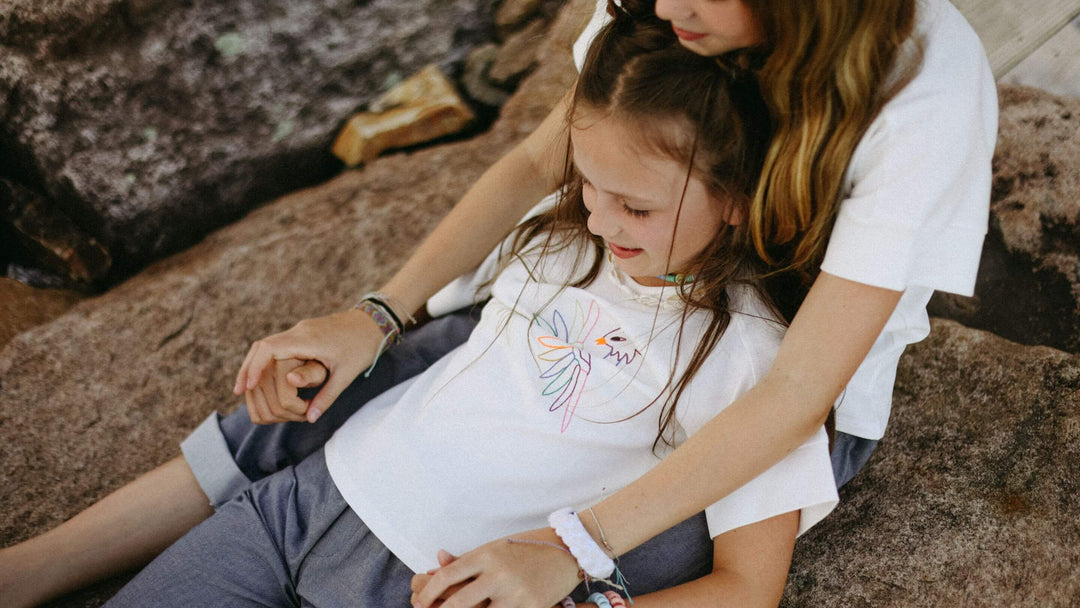
Firebird's Dropped Shoulder Tee is a good example of what thoughtful construction looks like: 100% organic Peruvian Pima cotton for premium softness and durability, a modern colorblock design that stays versatile, and a dropped shoulder with dolman sleeve construction that gives kids room to move. It also holds a wrinkle-free look after washing, which reduces ironing and extends wear life. The dropped-shoulder cut isn't just a style choice; it lets the tee adapt to a child's fast-changing build and stay genuinely wearable across activities.
Fast Fashion vs. Sustainable Kids Clothing in Real Use
If you've ever replaced a whole set of clothes after a single season, you know the fast fashion cycle: synthetic materials chosen to cut costs, weak seams, colors that fade, and frequent replacements as pieces unravel. Better-made sustainable kids clothing, by contrast, is built to handle repeated washing, outfit multiple children or friends, and stay presentable for several school years.
It's less about being "greener" than the next parent and more about value, function, and less overall waste. The fashion industry's rapid turnover encourages ongoing buying, but a smaller wardrobe of higher-quality clothes tends to reduce stress, costs, and textile waste at the same time.
What to Look For Before Buying
Shopping for clothes that actually last gets easier with a clear set of criteria. Before buying, check:
-
Fabric composition: Organic cotton, well-made natural fibers. Even high-quality recycled materials, while sustainable, are not comfrtable to kids’ skin.. Is it genuinely high quality, or just marketed as sustainable?
-
Stitching and seams: Tight, secure seams, with no loose threads, weak buttons, or unfinished edges.
-
Fit and flexibility: Relaxed fits or adjustable features that adapt to growth and avoid early outgrowing.
-
Washability: Machine-washable and designed for easy care. It should handle the reality of daily play and frequent laundry.
-
Seasonless design: Will it work across school, weekends, and varying temperatures, or is it a one-season piece? Does it contain a graphic from a recent cartoon, that will go out of style or your kid will simply stop caring about?
-
Brand transparency: Does the company communicate its production process, quality standards, and fair labor practices clearly? Do they actually tell you who makes their clothes? Does it feel trendy or built for more than one season of wear?
Looking past surface "eco-friendly" claims and focusing on materials, sewing, and timelessness will help you find real long-term value, regardless of brand. For a deeper look at quality distinctions, see our review on kids pants that last.
Cost Per Wear Is Usually the Better Measure
When evaluating whether sustainable kids clothing is the smarter investment, price tags don't tell the full story. Think in terms of cost per wear:
-
A $15 tee that only survives two washes before pilling works out to around $7.50 per wear
-
A $38 tee that stays fresh for 30 wears comes out to about $1.25 per wear
Paying more upfront for higher-quality, sustainable materials often means fewer replacements and reduced environmental impact. Quality pieces are also easier to resell or share between siblings, which stretches your budget further and keeps clothes in circulation longer. For more perspective on mindful consumption, see our piece on building capsule wardrobes for kids.
Can Sustainable Kids Clothes Be Passed Down or Resold?
Truly long-lasting kids clothes prove their worth once a child is finished with them. A garment that looks good enough to outfit a sibling, feels "like new" for its next owner, and holds enough style for secondhand resale is the real mark of longevity. These qualities don't just support a family's wallet. They reduce textile waste and support circular fashion.
Circular design means keeping each piece in active use for as long as possible before disposal. Some brands, like Firebird Kids, structure their garments and business around this principle. Their Pass It On platform lets parents resell pieces that are still in good shape, extending each item's journey. That's a signal of real confidence in durability, and a practical way to help families minimize waste as kids grow.
Resale compatibility matters because it ensures products are robust enough for multiple life cycles, reduces the need for new materials and energy use, and gives parents a way to recoup value on higher-quality pieces. For more context, see our deep dive on sustainable kids clothing and sensitive skin.
Care Habits That Help Clothes Last
Even the best-made sustainable kids clothes need proper care to reach their full potential. A few habits go a long way:
-
Wash in cold water to reduce fiber breakdown and color fading
-
Use gentle cycles to protect seams and minimize stretching
-
Opt for mild, non-toxic detergents and skip bleach or harsh chemicals
-
Air dry when possible, or use low heat when tumble-drying
-
Rotate everyday favorites to limit excessive wear on any one piece
Regular, manageable care keeps softness, color, and structural integrity intact. As a bonus, easy-to-care-for clothes are less likely to languish in the laundry basket, which keeps them in rotation much longer.
When Sustainable Kids Clothes May Not Last Longer
It's worth being honest: sustainable clothing isn't invincible, and sometimes a sustainable label obscures real flaws. Kids clothes marketed as "eco-friendly" may still fall short if poor construction leads to split seams or loose buttons, if fabrics are too thin for rough-and-tumble play, if sizing runs poorly and clothes twist or lose shape fast, or if trendy designs get outgrown style-wise before they're outgrown size-wise. A claim of sustainability means little without proof of long-lasting material and responsible production.
Firebird's Tees as a Real-World Case Study
Firebird's tees are a useful example of the principles above in practice, not just eco-marketing but tangible construction and wear. Key features include:
-
100% organic Peruvian Pima cotton, GOTS certified for both material and process
-
PFAS-free finish with fewer harsh chemical treatments
-
Small-batch production in NYC and LA, supporting fair labor conditions
-
Designed for repeated wear, growing bodies, and easy passing on
-
Low-maintenance washing, machine-washable and wrinkle-resistant
-
Integrated Pass It On resale program so every tee can enjoy more than one life
It's a grounded response to what families actually need: comfort, durability, easy care, and options for the next child in line. Explore the current tees collection, shop all kids' tops, or browse kids' pants to see quality construction in practice.
So, Are Sustainable Kids Clothes Worth It?
Do sustainable kids clothes last longer? Yes, when they're made from better materials, constructed with care, and maintained with simple habits. The real smart buy is the piece that stays comfortable, keeps its shape, and continues serving your family or community with every new wearer.
Investing in sustainable kids clothing isn't just about the planet or principles. It's about building a wardrobe that works harder, lasts longer, and feels better every step of the way. To dig further, explore the difference between quality and fast fashion, and see how every carefully chosen piece adds up for your child, your budget, and the planet.