Kids Clothes Breathability Guide: Buying for Comfort & Play
Choosing what your kids wear goes beyond colors, prints, or even trends. Comfort is at the core, especially when it comes to how clothes breathe on active, sensitive skin.
Whether you're dressing your toddler for a park run or updating school layers, understanding kids clothes breathability helps you find pieces that keep children happy all day. This guide breaks down everything you need to know about fabric choices, designs, and practical examples from Firebird Kids' collection.

What Makes Clothes Breathable, and Why It Matters
Kids clothes breathability comes down to three things: how easily air moves through the fabric, how well the fabric releases heat rather than trapping it, and how comfortably it manages moisture during active play or sudden temperature changes.
True breathability isn't just about thin fabrics. It depends on the structure and composition of the material, not just weight. Well-chosen breathable kids clothes keep children cool during runs and playground climbs, transition smoothly between indoor and outdoor environments, and hold up through long days without feeling sticky or overheated.
You know the scene: a child returns from outside, cheeks flushed, hair clinging to a damp neckline. Active kids warm up quickly and often don't notice discomfort until it leads to bigger problems. Parents regularly cite overheating during sports and summer outings, complaints of clingy or damp shirts, skin irritation in kids with sensitive skin, and frustration when clothes "stick" and feel heavy after activity.
Children need breathable materials more than most adults because they're constantly on the move. That's especially true when building everyday wardrobes for girls and boys who need pieces that stay comfortable from school hours to after-school play. The right breathable fabrics aren't about high-tech claims. They're about smoother mornings, easier afternoons, and fewer wardrobe battles.
Fabric Choice Changes Everything
Breathability starts with the fabric itself, not the marketing label stitched inside the collar. Several aspects affect how well a garment handles airflow, moisture, and warmth: fiber type, weave or knit structure, weight, softness against skin, and how the material handles absorbed moisture. A tee can feel soft at first touch but turn stifling after a few hours of play, while another stays light and breathable wash after wash. Understanding that difference is what makes wardrobe planning smarter.
Natural Fibers Usually Breathe Better
Parents often gravitate toward natural fabrics in children's clothing for good reason. Natural fibers like organic cotton, linen, and merino wool allow air to pass through easily and feel softer to the touch. They also minimize friction and irritation, which matters for sensitive or delicate skin.
Among these, organic cotton stands out as the most practical everyday option. It balances softness, breathability, simple care, and effective temperature regulation. It absorbs and quickly releases moisture to help regulate body temperature, works across all seasons, and holds its softness after repeated washes. High-quality organic cotton outperforms lower-grade cotton or synthetic blends, and GOTS-certified versions ensure safer processing and better skin protection.
Linen offers excellent breathability for very hot weather, while fine merino wool helps regulate body temperature when the air cools. Each has its merits, but day-to-day kidswear leans heavily on organic cotton for ease, value, and consistency.
Why Peruvian Pima Cotton Deserves Attention
If comfort and breathability top your list, Peruvian Pima cotton offers an impressive upgrade. Its smoother, longer fibers feel almost silky on bare skin, stay ultra-lightweight yet sturdy enough for frequent wear, and handle repeated wash cycles better than standard cotton. The extra smoothness means less friction, which is especially helpful for kids who object to "scratchy shirts" or complain about clothing seams.
Synthetic Fabrics Can Feel Different in Wear
Synthetic materials like polyester and nylon appear in many kids clothes for their durability and sometimes moisture-wicking effects. But they often trap heat and feel less breathable than natural fibers. Synthetic fabrics can lead to that "sticky" feeling when kids sweat and tend to feel less airy in warm weather.
Synthetics have their place in technical or outerwear like rain jackets, but most everyday tops, tees, and dresses benefit from the airflow and softness you don't always get from plastics. Look for blends only when performance like quick-drying or extra durability genuinely enhances the intended use. For deeper insights on balancing quality and practicality when weighing fabric choices, review this comparison of quality vs. cheap kids clothes.

Design and Fit Shape Breathability Too
Breathable kids clothing depends not only on the material but also on how that material is used in the design. Even the best natural fiber can feel stifling in a too-tight, overly structured pattern. A thoughtful, relaxed fit encourages air to circulate and reduces the sticky, irritable spots that children tend to pick at.
Key design elements that support airflow:
-
Relaxed, easy cuts that allow air circulation
-
Looser sleeves and dropped shoulders to reduce restriction
-
Garment structures that prioritize movement over rigid shapes
-
Lightweight layers that don't overwhelm
Tops that hug too closely, especially in the sleeves or waist, trap heat and reduce airflow. Stiff, boxy shapes can also limit comfort, particularly as kids grow rapidly and fluctuate in size. Unisex and relaxed fits offer better coverage across activities, longer wear across seasons and growth spurts, and greater rewear potential when passed from one sibling to another.
Layering works well when each layer brings breathability of its own. Use breathable base layers (organic cotton or light merino), add lightweight, loose-weave outer layers for warmth that doesn't trap heat, and avoid heavy fleece or water-resistant coatings directly against the skin unless absolutely necessary. Heavy or impermeable top layers cancel out the work of a breathable tee. If your child needs warmth, look for soft, breathable options in each piece, including lightweight sweaters that add warmth without trapping heat.
How Breathability Connects to Sensitive Skin
Sensitive skin amplifies every discomfort from ill-chosen children's clothing. Breathable, hypoallergenic fabrics reduce overheating that can trigger skin flare-ups, allow sweat to move away from the body rather than sitting against delicate skin, prevent friction from seams or rough textures, and avoid chemical irritation from flame retardants, synthetic coatings, or PFAS.
Firebird's tops, for example, feature PFAS-free construction and skip unnecessary flame retardants, which keeps harmful chemicals away from your child's skin. Explore more on choosing the best kids pants for sensitive skin, as similar principles apply to lower-body comforts.
What to Look For When Buying Kids Tops
Ready to shop? Use this framework to choose truly breathable tops without getting lost in buzzwords:
-
Fiber content: Look for organic cotton or natural fiber blends that specify their source. Watch for 100% organic cotton, especially GOTS-certified.
-
Fabric weight: Lighter weights handle heat and movement better, but the fabric shouldn't feel sheer or flimsy.
-
Fit and shape: Relaxed or unisex cuts support airflow and growth.
-
Softness: Check if the piece feels gentle from the first touch, and whether that softness survives multiple washes.
-
Ease of care: Prioritize pieces that withstand frequent washing without losing shape or comfort.
-
Movement-friendly design: The garment should allow full range of motion through the shoulders and arms.
-
Durability: Reinforced seams and high-quality stitching mean the piece feels just as good on the tenth wear as the first.
-
Clean construction: Absence of harsh chemical finishes, flame retardants, or PFAS treatments.
Brands that describe fabric origin, thickness, intended use, and care instructions make it easier to judge breathability honestly. Look for product details that go beyond generic "breathable" claims. For a sustainability-focused perspective, check out the most eco-friendly fabrics for children's clothes.
Common Mistakes to Avoid
A few common pitfalls can undermine the best intentions:
-
Associating "soft" with "breathable." Some synthetics feel soft but trap heat and moisture.
-
Choosing heavy, dense fabrics for daily wear when lighter weights would be more comfortable.
-
Overlooking how fit influences airflow. Tight shirts retain more heat, regardless of fabric.
-
Focusing only on graphics, prints, or color while neglecting what's under the surface.
-
Ignoring fiber composition and how washing changes the garment over time.
Breathable clothing should work so well your child forgets they're wearing it. Fewer tugs at collars, fewer requests to "take this off," and fewer battles to keep an extra shirt on during a surprise cold breeze. Explore Firebird's curated kids tops for sensory-friendly, comfort-forward designs.
Firebird's Tees as a Practical Example
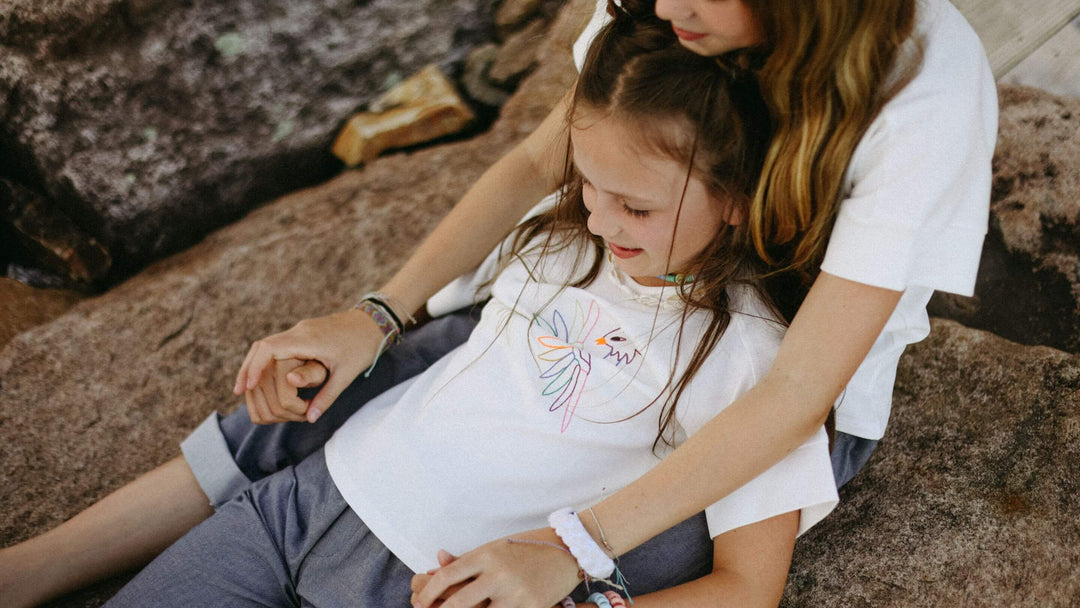
Theory comes to life through strong, well-designed basics. Firebird's tees are a useful benchmark for what to look for in breathable kids tops. They use GOTS-certified organic cotton as a standard, with premium Peruvian Pima cotton options for smoother, all-day comfort.
Construction is PFAS-free and chemical-free, built for easy washing and long-lasting softness. Small-batch production in NYC and LA keeps oversight tight, and original artwork and graphics keep style and personality at the core.

Graphic Tee: Powder Blue
One standout is the Graphic Tee in Powder Blue:
-
100% organic Peruvian Pima cotton for the softest, most breathable feel
-
Ultra-lightweight fabric designed for all-day play
-
Hand-drawn Crocodile & Bird print that adds originality and artistry
-
Relaxed, unisex fit so kids and tweens move easily
-
Made in NYC, supporting local artisans and reducing production footprint
This tee shows that breathability can work seamlessly with bright, creative style, no trade-offs required.

Three Feathers Tee
Another strong example is the Three Feathers Tee:
-
100% organic Peruvian Pima cotton, ultra-soft and breathable
-
Modern pop-graphic feather print for visual appeal
-
Relaxed, unisex fit designed to grow with each child
-
Crafted through ethical, small-batch NYC production
This piece illustrates that expressive, graphic-led basics can deliver top-level comfort and breathability in equal measure.
Breathability and Durability Should Work Together
Parents shouldn't have to settle for an either-or. The best kids tops balance breathability and durability, ensuring both comfort and long-term wardrobe value. Strong, soft garments withstand frequent washing while remaining as inviting on the fifteenth cycle as the first, stay comfortable through high activity, and handle repeated restyling with layers in transitional months. This saves time, reduces wardrobe clutter, and means more pieces survive to pass along to siblings or friends.
Learn more about why quality kids clothes pay off in comfort and longevity, and the best kids pants for school and play, where the same priorities apply.
Conclusion
Building a wardrobe around kids clothes breathability isn't a detail. It's foundational to comfort, play, and peace of mind. From fabric choice to garment design, every smart decision helps keep kids cool, dry, and ready for anything.
Whether you're seeking essentials for a sensitive-skinned toddler or just want your child to breeze through long days with fewer complaints, breathable options like organic and Peruvian Pima cotton lay the groundwork. When comfort and durability go hand in hand, your kids' clothes aren't just worn. They're loved, worn again, and always ready for the next adventure.