The Back-to-School Clothes Checklist: What Your Kid Actually Needs
Most back-to-school clothes lists tell you to buy everything. This one starts with what your kid actually wears in a normal week, then works backward to a number you can shop against.
The goal is a wardrobe that covers a full laundry cycle with a little room to spare. Buy for that, check what still fits from last year, and you skip the pile of unworn clothes that gets outgrown before it gets worn. Here is the complete list, grouped so it stays usable.

The Complete Back-to-School Clothes List
Group the list by function, not by store aisle. That keeps it scannable and makes it obvious where you already have enough and where there are real gaps.
Tops
-
Everyday t-shirts and short-sleeve shirts
-
Long-sleeve shirts for cooler days
-
One or two collared shirts or polos if the dress code calls for them
-
One nicer top for picture day or presentations
Bottoms
-
Everyday pants for the classroom
-
Shorts or leggings depending on climate and season
-
Joggers or active bottoms for PE and recess
-
One dressier pair for special days
Layers
-
A sweater or cardigan
Outerwear
-
A light jacket for fall
-
A warmer coat once the weather turns
-
Loungewear and after-school
-
Comfortable play clothes that aren't the school clothes
-
Pajamas sized for the current stretch
Socks and underwear
-
A full week's worth of socks, plus a few spares
-
A full week's worth of underwear, plus spares
-
Undershirts if your kid wears them
Shoes
-
Everyday sneakers
-
Gym shoes for PE if the school requires a separate pair
-
One dressier or closed-toe pair if the dress code needs it
Accessories
-
A belt if pants need one
-
A hat for sun or cold
-
Name labels for anything that gets taken off during the day
How Many of Each Item Kids Actually Need
Quantity is the question hiding inside “clothes list,” and the answer is smaller than most guides suggest. The rule of thumb: enough for one full laundry cycle, plus a buffer so a bad-luck day doesn't leave you short.
For most families washing about once a week, that lands around 5 to 7 tops and 4 to 5 bottoms. Socks and underwear run higher, at 7 sets or more, because those are the items you never want to run out of mid-week.
The number follows your laundry frequency, not a shopping impulse. If you wash twice a week, you can carry fewer of everything. If laundry slips to every ten days, size the counts up a little.
A smaller number also stretches further than it looks. Six tops and four bottoms in colors that work together give you more than twenty outfit combinations, which is plenty for a school month. A few neutral kids pants that match most shirts do more work than two pairs that each go with only one thing.
If bottoms are the category you always seem to run short on, it's worth reading exactly how many pairs of pants a kid needs for school before you shop. The short version: fewer than you think, if they hold up.

Build the List Around Their Actual School Day
The cleanest way to avoid over-buying one thing and under-buying another is to picture a real school day rather than shopping by category.
1) Classroom and everyday
Most of the week is ordinary: sitting, moving, eating lunch, wiping hands on whatever is nearest. This is where comfortable, movement-friendly basics that survive daily washing do the work.
Build the bulk of the wardrobe here, since it's the part that gets worn and washed the most. Our fall essentials for kids are made around exactly this everyday stretch.
2) PE and recess
Gym and recess are hard on clothes, so give them their own pieces. A dedicated set of breathable tees, sneakers that can take a beating, and kids joggers means the nicer classroom clothes aren't the ones getting grass stains. Our soft organic cotton sweatpants handle a full recess and a wash cycle without giving out.
3) Weather transitions
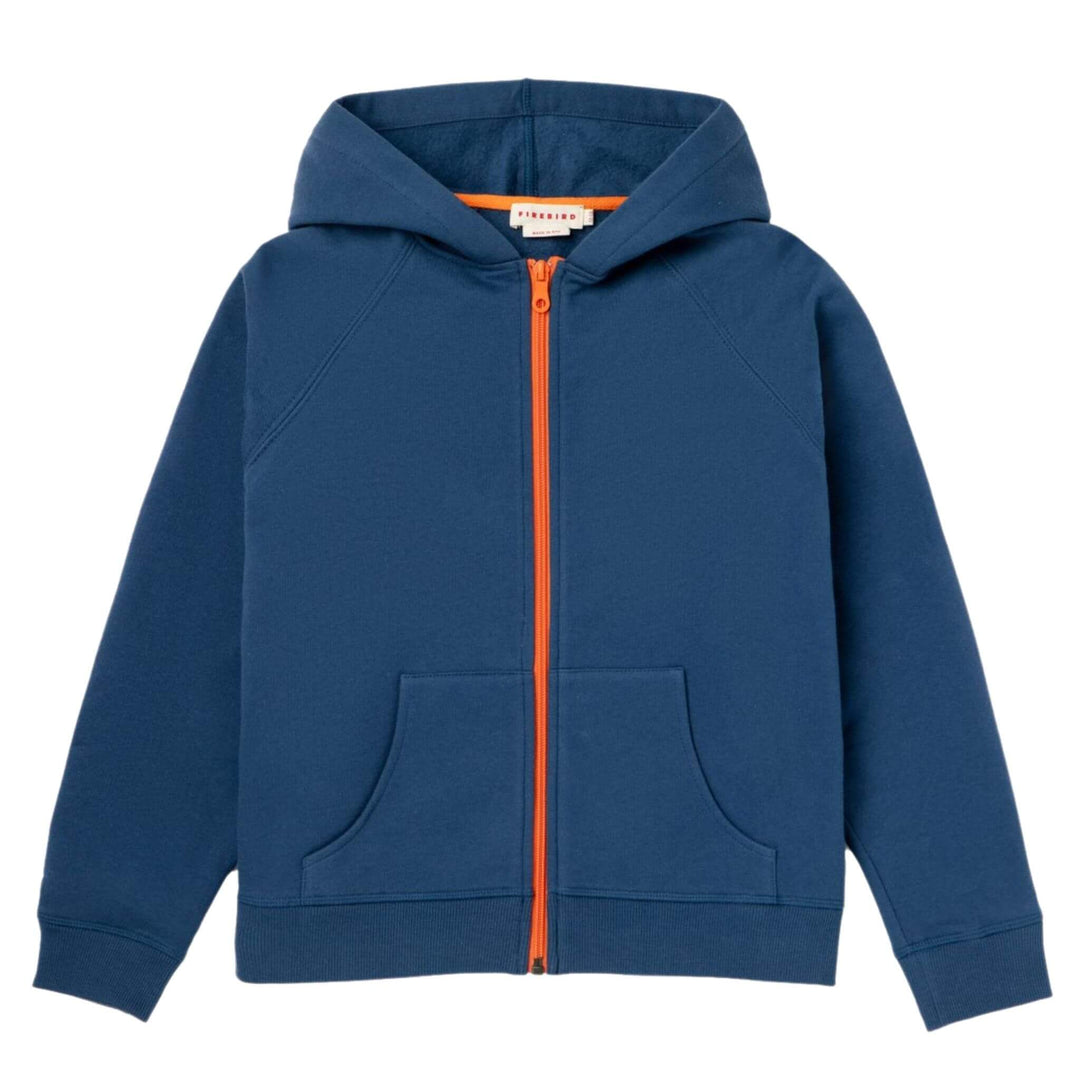
Plenty of school days start cold and end warm. Layering solves it: a t-shirt with something over the top that comes off by lunch. A zip-up French terry hoodie works well here because it opens and closes easily for a kid managing it alone. For a kid who prefers a pullover, our organic cotton graphic hoodie does the same job.
4) Special days
Every calendar has a few days that need more: picture day, a presentation, a class event. One or two dressier options cover the whole year. Once the list is handled, a few back-to-school outfit ideas can help you put those pieces together.
Check Dress Codes and Uniform Rules First
Before buying anything, confirm the school's rules. This one step prevents the most wasted purchases of the season.
Look for color restrictions, logo or graphic limits, closed-toe shoe requirements, and whether the school runs a uniform or free-dress policy. Many post this on their website alongside the supply list.
A uniform school changes the shape of the list: more of fewer items, since the same few pieces repeat all week. A free-dress school runs the other way, with more variety but fewer duplicates of any one thing.
Policies also shift by grade. What flew in third grade may not in middle school, so check the current year's rules rather than assuming last year's still hold.
Sizing and Fit for a Growing Kid
Back-to-school timing runs straight into the buy-now-versus-buy-later question, because kids grow on their own schedule.
Some items tolerate a roomier fit. Outerwear and sweaters can run a little big and still work, and often look fine that way. Others shouldn't: shoes and bottoms need to fit now, or they slow a kid down and wear out in the wrong places.
Buying the whole year's wardrobe up front tends to backfire. A mid-year growth spurt can leave a drawer of unworn clothes in a size that no longer fits, which is exactly the waste a good list avoids.
Staggering purchases across the first term is the safer play. Buy what fits for the start of school, then fill in as you see how fast this year's growth is moving.
Budgeting and Cost Per Wear
The most useful way to weigh a purchase isn't the sticker price. It's cost per wear: what the item costs divided by how many times it actually gets worn before it's outgrown or worn out.
By that math, spending goes where the wearing is. Durable daily-wear basics get worn dozens of times, so they earn a higher price. Fast-changing trend pieces get worn less, so that's where to economize.
Fabric quality is a big part of what separates a garment that survives the year from one that doesn't. That's the difference between a pair of pants that makes it to a sibling and one that pills out by winter break. Buying in sets can also lower the per-piece cost, which is why the outfit bundles we make pair pieces that already work together.
What to Look For in Everyday School Clothes
Once you know how much to buy and where to spend, the last question is how to tell durable from disposable on the rack.
Start with the construction. Check the seams for tight, even stitching, and think about how the fabric handles a school year of washing: does it hold color, or fade and pill after a month? Reinforced seams and a dense weave are the signals that a piece will last.
Comfort matters just as much, because a kid wears the same items all day. Breathable, soft fabrics keep a sensitive-skinned kid from fidgeting, and tagless or seamless finishes help even more.

Organic cotton is one option worth weighing on both counts. GOTS-certified pieces like the ones we make tend to resist pilling and stay soft through repeated washing, which is why we treat it as a durability and comfort criterion rather than a rule. Our soft denim pants show what that looks like in a bottom kids reach for daily.
A Simple Back-to-School Shopping Timeline
The list turns into a plan in three steps.
First, take inventory. Pull last year's clothes and check what still fits and what's worn through. Most families find they need less than they assumed once they see what's already in the drawers.
Second, fill only the true gaps against the checklist above. If the list says 5 to 7 tops and four still fit, you're shopping for two or three, not seven.
Third, stagger the rest across the first few weeks. Once the real schedule and weather settle in, you'll know what's actually needed, and a set from the outfit bundles can round out the gaps without a second full shopping trip.
Frequently Asked Questions
How many outfits does a child need for school?
Enough to cover one laundry cycle plus a buffer. For weekly washing, that's about 5 to 7 tops and 4 to 5 bottoms, which mix into well over twenty outfit combinations.
When should I start back-to-school clothes shopping?
Start with an inventory a few weeks before school, then buy in stages. Shopping early beats the rush, but staggering purchases lets you buy against the real schedule instead of guessing.
Should I buy school clothes a size up?
For outerwear and sweaters, a little room works and buys you extra wear. For shoes and bottoms, buy to fit now, since a poor fit wears out fast and slows a kid down.
How do I make school clothes last the whole year?
Buy durable basics, wash on gentle, and label everything so it comes home. For the picture days and dressier occasions worth planning ahead, our guide to first day of school outfits covers the pieces that get worn less but need to hold up.
Buy the Gaps, Not the List
A back-to-school clothes list works best as a ceiling, not a shopping order. The point isn't to buy one of everything on it. It's to see the full picture, check it against what already fits, and buy only the pieces that close a real gap.
Do that and you end up with a wardrobe that covers the week, survives the washing, and has a little room to grow. Fewer pieces that last beats a full drawer that's outgrown by winter, and it's easier on the budget every single term.